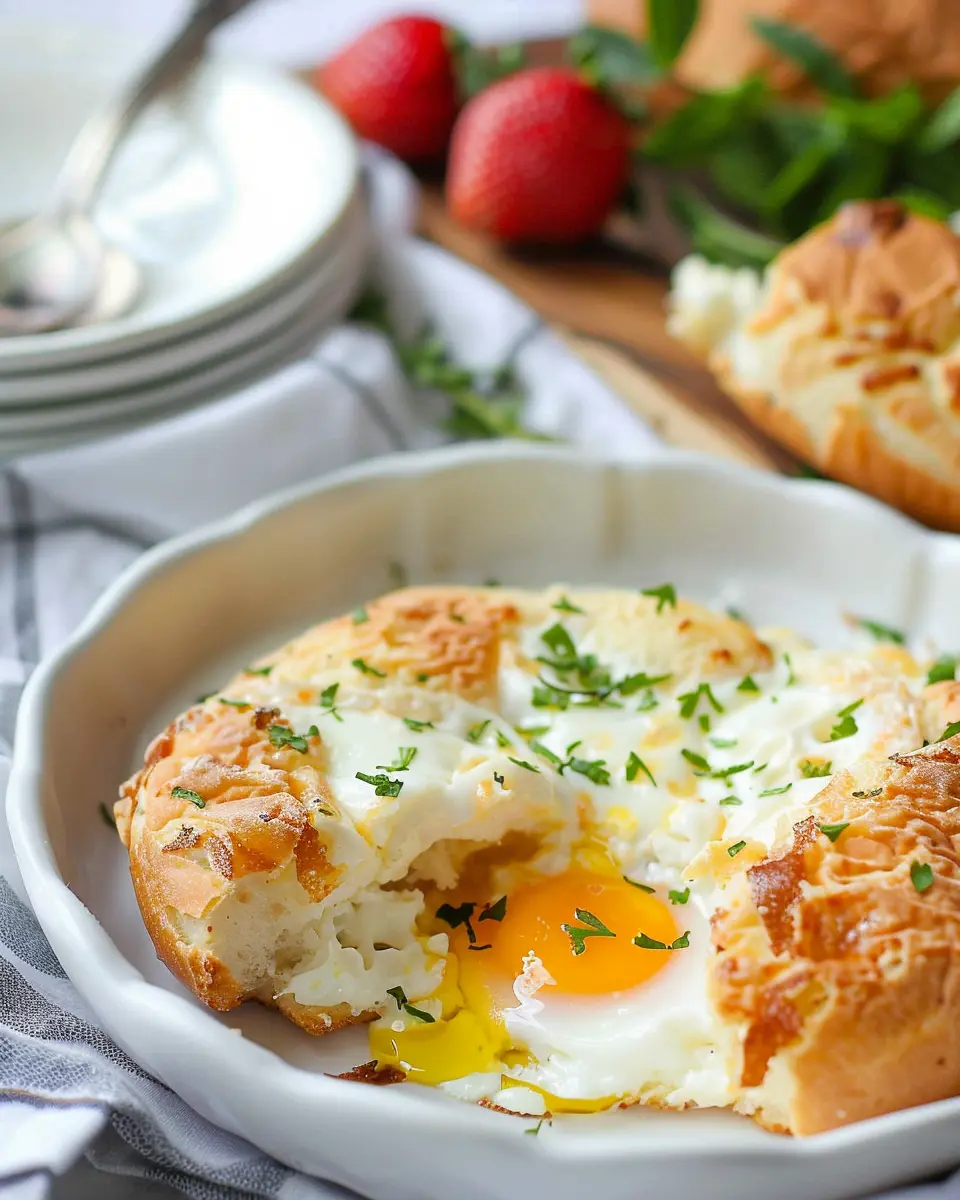
Introduction to Baked French Eggs
Are you a busy young professional juggling meetings, deadlines, and a social life, yet still craving a delicious breakfast to kickstart your day? If so, baked French eggs might just be the ideal solution for you. Easily prepared and utterly satisfying, this dish brings together the classic comforts of a traditional breakfast with the convenience of effortless cooking.
The perfect breakfast solution for busy young professionals
Imagine waking up to the warm aroma of eggs perfectly baked in a medley of flavors—sounds lovely, right? Baked French eggs are not only visually appealing but also incredibly versatile. You can toss in a variety of proteins like turkey bacon or chicken ham, load them with fresh vegetables, or even sprinkle some cheese on top. The best part? You can whip up a batch on a Sunday and enjoy them throughout the week, making your mornings a whole lot smoother.
Did you know that according to the American Heart Association, incorporating eggs into your breakfast can provide you with essential nutrients, like protein and vitamins D and B12? They’re a fantastic way to fuel your day ahead, especially when you’re on the go. Whether you’re rushing to the office or preparing for a video call, baked French eggs can be a quick grab-and-go meal.
Customize Your Baked French Eggs
One of the best aspects of this dish is its adaptability. You may choose to add:
- Fresh herbs such as parsley or basil
- Diced vegetables like bell peppers or spinach
- Protein alternatives like beef strips or plant-based options
Every twist you add not only enhances the flavor but also makes the dish your own. Feeling adventurous? Why not try making a Mediterranean style version with feta and olives?
As you explore this delightful recipe, you’ll find that baked French eggs can transform your breakfast experience, making it feel less like a chore and more like a treat. So grab your mixing bowls, and let’s discover how to make this comforting dish that can fit seamlessly into your busy lifestyle!
For further inspiration, visit resources like EatingWell or Food Network to explore additional variations and tips for creating the perfect baked eggs.
Ingredients for Baked French Eggs
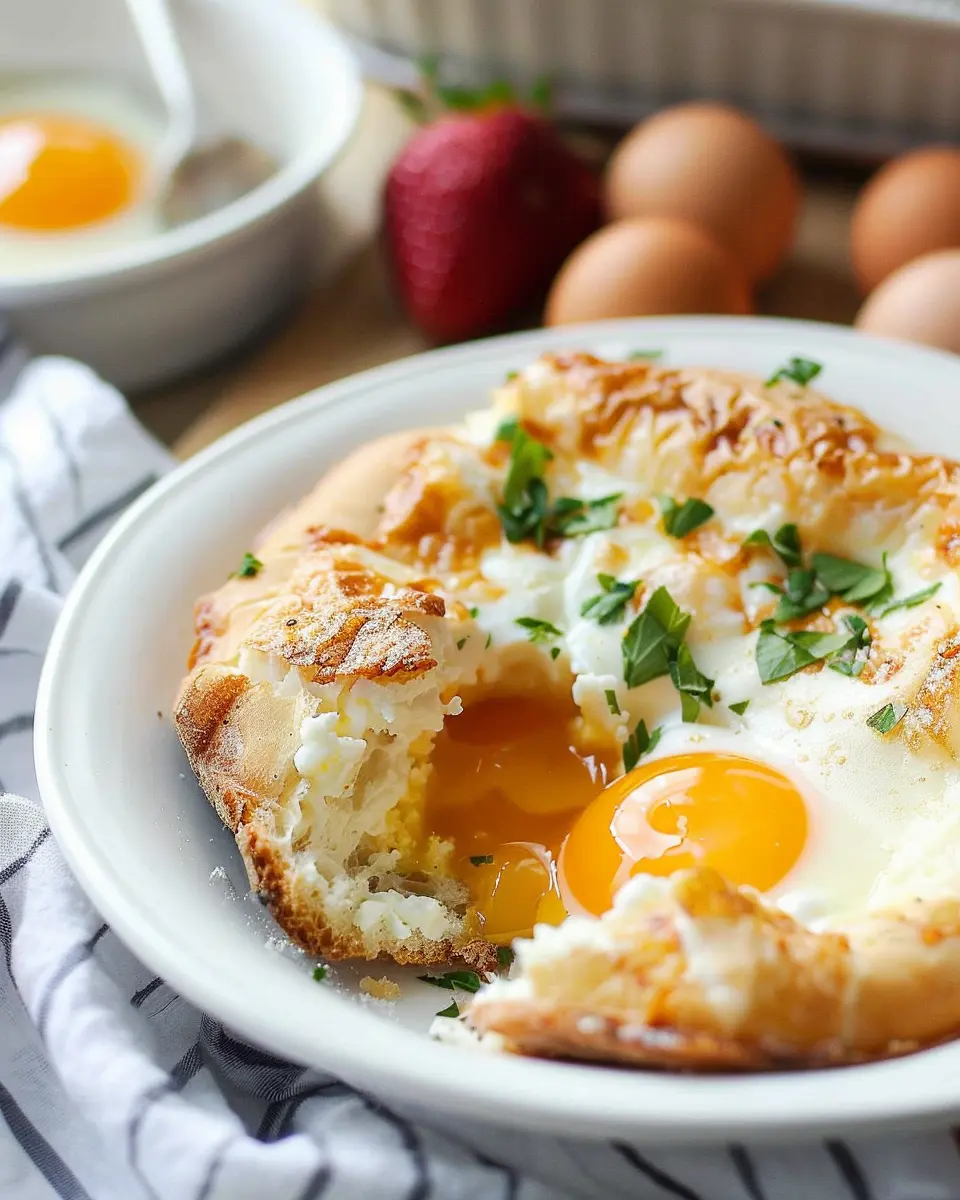
When it comes to preparing baked French eggs, the ingredients are simple yet flavorful. Here’s what you’ll need to whip up this delightful dish:
- Eggs: Fresh is best! You’ll need about 4 to 6 large eggs, depending on how hungry you are.
- Turkey Bacon: Instead of traditional bacon, opt for about 3-4 strips of turkey bacon for a leaner yet equally delicious option.
- Chicken Ham: Adding ½ cup of diced chicken ham elevates the flavor and offers a hearty texture.
- Cheese: Choose your favorite! A good melting cheese like Gruyère or cheddar (about 1 cup shredded) pairs wonderfully.
- Cream: About ½ cup of heavy cream makes everything rich and luscious, creating that perfect baked consistency.
- Fresh herbs: Don’t forget a handful of fresh parsley or chives for that pop of color and freshness.
- Salt & Pepper: Just a pinch of each to tickle your taste buds.
With these ingredients in hand, you’re well on your way to creating these delightful baked French eggs. Consider exploring options for mixing in seasonal veggies or experimenting with herbs for a personal touch. Cooking should always be fun and inspiring! For more tips on fresh ingredient selection, check out seasonal guides on Eating Well.
Preparing Baked French Eggs
Baked French Eggs are not just a breakfast dish; they’re a delightful way to start your day with a burst of flavor and nourishment. The beauty of this recipe lies in its simplicity and versatility, making it a favorite among young professionals looking to impress—or simply enjoy a quiet morning at home. So, let’s get right to it!
Gather Your Ingredients
Before anything else, make sure you have all of your ingredients ready. Here’s a simple list to get you started:
- Eggs (4-6, depending on your muffin pan size)
- Heavy cream or half-and-half (about ¼ cup)
- Turkey bacon or chicken ham (optional but recommended for added flavor)
- Chopped fresh herbs (like chives or parsley)
- Salt and pepper to taste
- Cheese (like cheddar or feta) for an additional flavor punch
Gathering your ingredients beforehand not only streamlines the cooking process but also allows you to enjoy the preparation without hastily searching for that elusive whisk or spice jar later on!
Preheat Your Oven
It’s always a good idea to start with preheating your oven to 375°F (190°C). This temperature is perfect for allowing the eggs to bake evenly while achieving that delightful fluffiness. While you wait for the oven to reach the perfect heat, you can engage in some light kitchen meditation. Take a deep breath and appreciate the yummy breakfast you’re about to create!
Prepare the Muffin Pan
Next, grab your muffin pan. You can use a traditional muffin tin or opt for silicone molds if you’re feeling fancy. Either way, you’ll want to ensure they are well-greased or lined to prevent sticking. If you’re using a silicon pan, there’s no need to grease it—just make sure it’s clean. A light cooking spray or a brush of oil will go a long way in ensuring your baked French eggs pop out perfectly. Remember, breakfast shouldn’t feel like a chore, and a sticky situation can add unwanted stress.
Crack the Eggs and Add Cream
Once your oven is ready and your muffin pan is prepped, it’s time for the fun part—cracking the eggs! In a mixing bowl, crack open your eggs, and add the heavy cream or half-and-half. The cream will help create that rich, custardy texture that makes baked eggs so delicious. Here’s a tip: for a fluffier texture, whisk the mixture lightly, incorporating some air into it. If you like a bit of excitement in your eggs, now’s a great time to mix in chopped turkey bacon or chicken ham for an irresistible twist.
Season and Bake the Eggs
Now that you’ve got your egg mixture prepped, season it with salt, pepper, and throw in some fresh herbs for good measure. Pour the mixture into your prepared muffin pan, filling each cup about three-quarters full. This is where you can get creative! Topping the eggs with cheese before they go into the oven provides a delightful melty finish.
Slide your muffin pan into the preheated oven and bake for 15-20 minutes or until the eggs are set and slightly puffed. Keep an eye on them, as oven times can vary. As you wait, think about how nice it will be to elevate a simple morning with such an elegant dish.
And voilà! Once they’re done, let the baked French eggs cool for a minute, then gently run a knife around the edges before popping them out. Serve them warm alongside toast or a light salad for a fulfilling breakfast or brunch.
Whether you’re hosting friends or treating yourself, this recipe is a delightful way to start your day. Enjoy your culinary creation! For more delicious breakfast ideas, consider browsing through this phenomenal resource for inspiration. Happy baking!

Variations on Baked French Eggs
Looking to switch up your baked French eggs experience? You’re in for a treat! Here are three delicious variations that will keep your brunch game strong and impress your friends and family.
Baked French Eggs with Turkey Bacon
If you love the smoky goodness of bacon but want to keep it lighter, try adding turkey bacon to your baked French eggs. The crisp texture and savory flavor provide a great contrast to the creaminess of the eggs. Simply chop the turkey bacon, sauté it briefly until crispy, and sprinkle it over your egg mixture before baking. Bonus tip: serve with a side of fresh fruit to balance out that savory flavor!
Baked French Eggs with Chicken Ham
For a protein-packed twist, use chicken ham as the star. It’s a fantastic alternative that complements the rich eggs beautifully. Combine diced chicken ham with sautéed onions and bell peppers for a colorful, hearty dish. Did you know that chicken ham can be a lower-fat option? For more information on choosing healthier meats, check out resources like the American Heart Association.
Veggie-loaded Baked French Eggs
Vegetarians will love this colorful take on baked French eggs. Load them up with your favorite veggies, such as spinach, tomatoes, or zucchini. Not only do they add flavor, but they also boost the nutritional content of your meal. Roasting your vegetables beforehand can enhance their natural sweetness—definitely something to consider if you’re aiming for a healthier start to your day!
These variations show just how versatile baked French eggs can be. Whether you’re mixing in turkey bacon, chicken ham, or veggies, there’s no shortage of delicious possibilities!
Cooking notes for Baked French Eggs
When it comes to mastering baked French eggs, a few personalized tips can make your dish pop. First, let’s talk about the eggs. Fresh, high-quality eggs make a significant difference, elevating your dish from good to exceptional. Aim for organic or farm-fresh options whenever possible.
Selecting Your Add-ins
Feel free to get creative with your ingredients. Instead of traditional bacon, consider using turkey bacon for a lighter twist. And if you’re a fan of savory flavors, adding chicken ham introduces a delightful depth. Pair these proteins with vegetables like spinach, tomatoes, or even bell peppers for a colorful and nutritious addition.
Cooking Technique
Always preheat your oven adequately to achieve that perfect bake. An oven thermometer can be handy to ensure accuracy since oven temperatures can vary. Also, consider covering your dish with foil for the first half of baking; this helps retain moisture.
Check out resources like the American Egg Board for more egg tips and recipes. Happy cooking!
Serving suggestions for Baked French Eggs
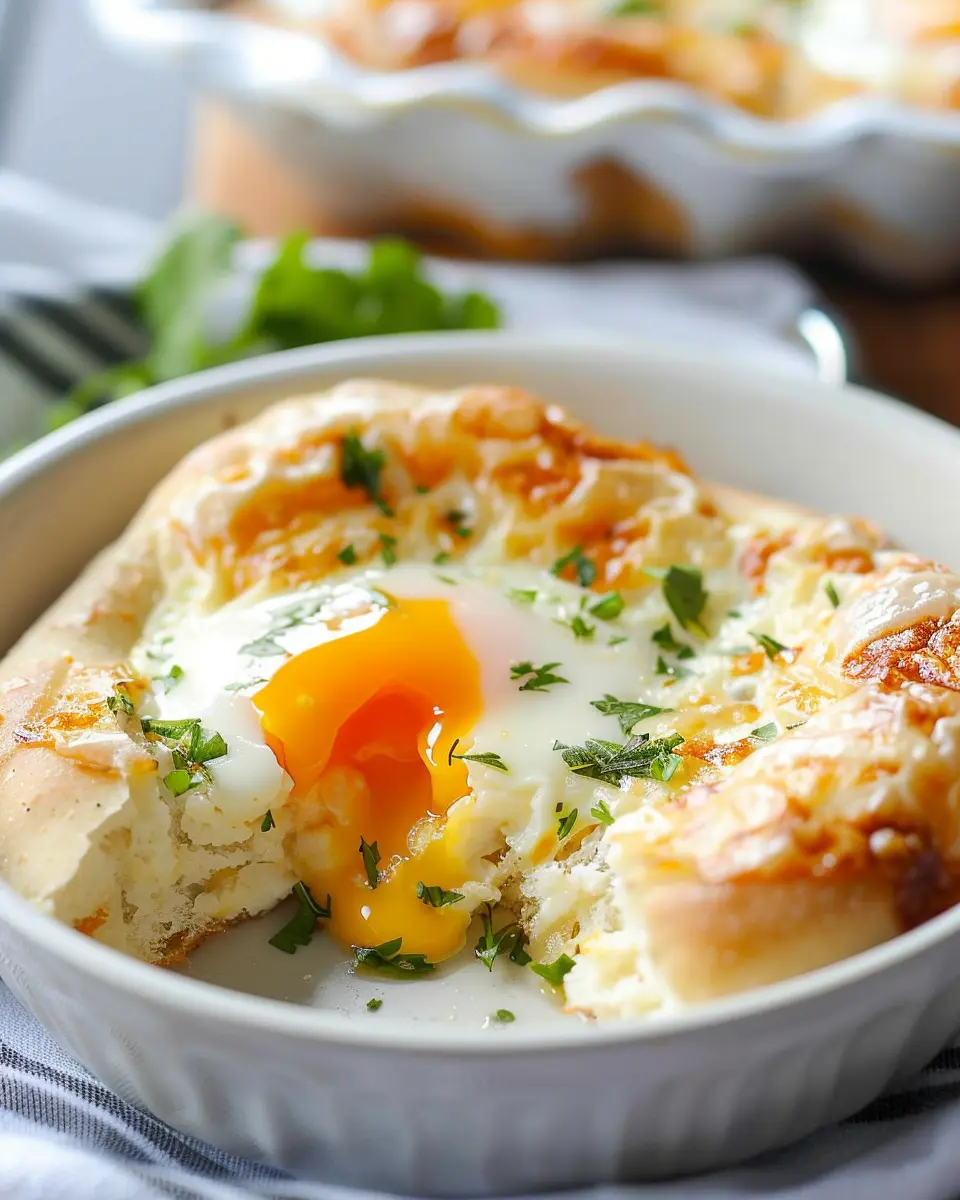
When it comes to enjoying baked French eggs, the possibilities are endless! Here are some delicious ways to elevate your dish and impress your guests.
Pairing with Fresh Ingredients
To build a perfect plate, consider surrounding your baked French eggs with fresh, vibrant accompaniments. A crisp arugula salad drizzled with a zesty lemon vinaigrette can enhance the creaminess of the eggs. Don’t forget to add sliced cherry tomatoes for that juicy pop!
Adding Savory Proteins
Incorporate proteins like turkey bacon or chicken ham for a heartier meal. Both options not only complement the eggs beautifully but also add a satisfying crunch. You might even consider adding a touch of sautéed spinach or roasted vegetables for added flavor and nutrition.
Toasting the Tradition
Serve your eggs on a bed of crusty whole-grain toast or a buttery croissant. This classic pairing makes for a delightful brunch experience. If you’re feeling adventurous, try spreading some avocado on top for that creamy texture.
Beverage Bliss
To quench your thirst, opt for a refreshing iced herbal tea or a freshly squeezed juice to balance the richness of the baked French eggs. These beverages will leave you feeling energized and ready to take on the day.
By experimenting with these suggestions, your baked French eggs can turn a simple meal into a culinary adventure that leaves a lasting impression. Happy cooking!
Tips for Perfect Baked French Eggs
Creating delicious baked French eggs is all about mastering the technique while being a little creative. Here are some tips to elevate your egg game.
Choose the Right Dish
Using a shallow dish can help your eggs cook evenly. A ceramic or glass casserole dish is ideal, as they distribute heat more uniformly. If you want to try something unique, consider using individual ramekins for a charming presentation.
Whisk with Care
When mixing your eggs, whisk gently but thoroughly. Adding a splash of cream or milk will give your dish a delightful richness. Just remember, too much liquid can make your eggs watery, so balance is key!
Add Flavor Layers
To make your baked French eggs pop, don’t skimp on seasoning. Fresh herbs like thyme or chives add a burst of flavor, while sautéed vegetables or a sprinkle of cheese can make all the difference. For a protein boost, consider incorporating turkey bacon or chicken ham.
Bake at the Right Temperature
A moderate oven setting (around 350°F) allows for slow, even cooking, which is essential for perfectly set eggs. Keep an eye on them, and remove them when they’re slightly wobbly in the center—this ensures they won’t overcook!
Remember, practice makes perfect. The more you experiment with ingredients and baking times, the closer you’ll get to your ideal plate of baked French eggs. For more culinary tips, check out Serious Eats or Bon Appétit for extra inspiration!
Time details for Baked French Eggs
Preparation time
Preparing your Baked French Eggs is a breeze! You’ll need about 10 to 15 minutes to gather your ingredients and get everything ready. Be sure to chop your Turkey Bacon and any vegetables you plan to use ahead of time for a smoother process.
Cooking time
Once you’ve prepped your ingredients, baking them will take about 20 to 25 minutes. During this time, you can enjoy the delicious aroma wafting through your kitchen, making it an effortless multitasking opportunity!
Total time
In total, you’re looking at around 30 to 40 minutes from kitchen to table. Perfect for a leisurely brunch or a quick dinner, these Baked French Eggs fit seamlessly into any busy schedule. Want to elevate your egg game? Try pairing these eggs with a fresh arugula salad or some crusty bread for dipping.
Ready to dive into your new favorite dish? Check out our full recipe to see how easy it is! Remember, if you’re curious about egg nutrition, the USDA provides a great resource on the health benefits of eggs.
Nutritional Information for Baked French Eggs
When it comes to enjoying delicious Baked French Eggs, knowing the nutritional content helps you make informed decisions for a balanced diet. Let’s break it down:
Calories
A serving of Baked French Eggs typically contains around 320 calories. This makes it a hearty option for breakfast or brunch while still allowing room for a light lunch later in the day.
Protein
Packed with protein, you’ll find approximately 20 grams in each serving thanks to the eggs and added turkey bacon. Protein is essential for muscle repair and keeps you feeling full longer—perfect for those busy workdays!
Sodium
Each serving contains about 600 mg of sodium, largely from the ingredients like chicken ham and cheese. While sodium is necessary for bodily function, it’s good to be mindful of your intake, aiming for no more than 2,300 mg per day, as suggested by the American Heart Association.
For more insights on sodium and its effects, check out the CDC’s resources.
Incorporating Baked French Eggs into your routine can feel indulgent while also nourishing your body!
FAQs about Baked French Eggs
What are the best eggs to use for this recipe?
When it comes to Baked French Eggs, freshness is key. Look for organic or free-range eggs if you can—they tend to have more vibrant yolks and richer flavor. Local farmers’ markets often have the best quality options, as you can be sure they’re fresh. Eggs labeled as cage-free or pasture-raised are excellent choices too. The better the egg, the better your dish will be!
Can I prepare these eggs in advance?
Absolutely! One of the best things about Baked French Eggs is that you can prep them ahead of time. You can assemble the dish in the baking dish and refrigerate it overnight. Just add a few extra minutes to the baking time when you’re ready to cook, since they’ll be cold from the fridge. This makes them perfect for a weekend brunch or when entertaining guests. Check out more tips on meal prepping at America’s Test Kitchen.
How do I know when my Baked French Eggs are done?
Timing can vary, but a general rule of thumb is to bake them until the edges are set and the center is slightly jiggly but not liquid. Using an instant-read thermometer can also help; you’re looking for an internal temperature of about 160°F. If you’re using toppings like cheese, look for that delightful golden-brown color on top as a sign they’re ready to serve. Remember, practice makes perfect, so don’t get discouraged if it’s not perfect the first time around!
By taking time to understand these elements, you can craft a delightful dish that’s sure to impress. Happy baking!
Conclusion on Baked French Eggs
In summary, baked French eggs are not just a delightful brunch option; they’re a versatile dish that can easily fit your busy schedule. With their comforting textures and rich flavors, you’ll find them perfect for a cozy weekend or a quick dinner. Pair them with a crisp salad or some wholesome whole-grain toast for a balanced meal.
Don’t hesitate to experiment with ingredients! The possibilities are endless—think of adding fresh herbs or even substituting in your favorite healthy toppings. For more brunch inspiration, you might enjoy exploring The Kitchn’s brunch ideas. Dive into this delicious recipe, and let’s make mealtime memorable!
PrintBaked French Eggs with Turkey Bacon: Easy, Delicious, and Wholesome

A delicious and wholesome recipe for Baked French Eggs with turkey bacon.
- Prep Time: 10 minutes
- Cook Time: 25 minutes
- Total Time: 35 minutes
- Yield: 4 servings
- Category: Breakfast
- Method: Baking
- Cuisine: French
- Diet: Low Carb
Ingredients
- 4 large eggs
- 4 slices turkey bacon
- 1/2 cup milk
- 1/4 cup shredded cheese
- 1/4 teaspoon salt
- 1/4 teaspoon black pepper
- 1 tablespoon chopped fresh parsley
Instructions
- Preheat your oven to 350°F (175°C).
- In a skillet, cook the turkey bacon until crispy. Remove and chop into pieces.
- In a mixing bowl, whisk together the eggs, milk, salt, and pepper.
- Add the chopped turkey bacon and cheese to the egg mixture, stirring well.
- Pour the mixture into a greased baking dish.
- Bake in the preheated oven for 20-25 minutes, until the eggs are set.
- Sprinkle with fresh parsley before serving.
Notes
- For a spicier version, add red pepper flakes.
- Serve with toasted bread for a complete meal.
Nutrition
- Serving Size: 1 serving
- Calories: 250
- Sugar: 1g
- Sodium: 400mg
- Fat: 15g
- Saturated Fat: 5g
- Unsaturated Fat: 8g
- Trans Fat: 0g
- Carbohydrates: 6g
- Fiber: 0g
- Protein: 20g
- Cholesterol: 300mg